
What a Real Burnley HMO Actually Costs to License (Honest Numbers)

The Burnley Licence Fee: What the Council Actually Charges
Burnley Borough Council publishes its HMO licence fees annually. For the period April 2025 to March 2026, a standard mandatory HMO licence costs £546 on application plus £396 on granting — a total of £942 for up to 10 rooms, with an additional £21 per room above that, according to [burnley.gov.uk](https://burnley.gov.uk/housing/private-rented-sector/house-in-multiple-occupation-hmos/application-hmo-licence-fee-hmos/).
If you're accredited under Burnley Council's Good Landlord and Agent Scheme (GLAS), those numbers drop to £380 plus £277 — a total of £657. That's a saving of £285, which is real money and worth knowing about before you apply.
HMO licences in Burnley run for five years. So on the standard rate, you're looking at £942 amortised over 60 months — roughly £188 a year. On the GLAS rate, closer to £131. Either way, you're not talking about a crippling annual outlay. The licence fee, taken alone, is genuinely manageable.
One important planning note: since 14 October 2024, an Article 4 Direction has been in effect across Burnley Borough. Before you even apply for a mandatory HMO licence, you need to confirm lawful planning use under that direction. This is not optional and it's not a formality — it's a real step that can delay your application if you haven't done it first.
The Part That Actually Costs Money: Fire Safety
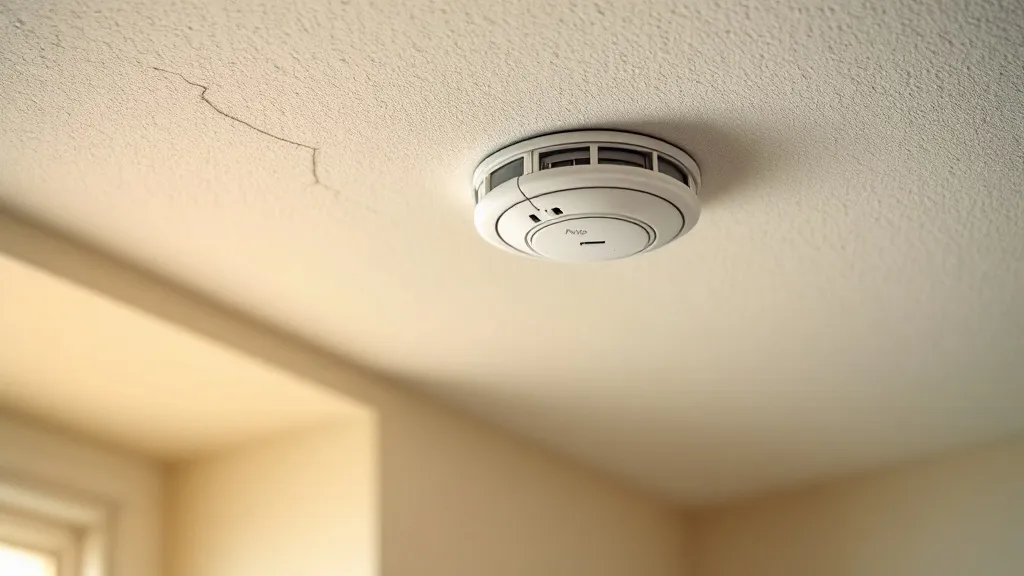
Here's where most online discussions go wrong. They quote the licence fee and stop there. The licence fee is not the expensive part.
To get a mandatory HMO licence in Burnley — or anywhere in England, for that matter — the council requires a stack of documentation before they'll grant it. According to [licencecheckerengland.co.uk](https://www.licencecheckerengland.co.uk/councils/burnley), the required documents include an EPC, Gas Safe Certificate, EICR (Electrical Installation Condition Report), tenancy agreement, floor plan, emergency lighting certificate, fire risk assessment, and a fire alarm certificate.
Some of those you may already have. But the fire alarm certificate, emergency lighting certificate, and fire risk assessment typically require professional sign-off — and if the property doesn't already meet the standards, you're looking at remediation work before you can get those certificates at all.
This is the bit that bites. A fire alarm upgrade in a mid-terrace — interlinked mains-wired smoke detectors in every room, heat detector in the kitchen, fire doors where required — can run anywhere from £800 to well over £2,000 depending on the property's current state and the contractor. Emergency lighting adds more. The critical point is this: that fire safety work is not optional just because you decide not to licence. The underlying legal requirement for those standards exists regardless of whether you apply for a licence. So framing it as a "licensing cost" is slightly misleading — it's a compliance cost that you'd owe either way.
The Real Maths: £942 Licence vs £40,000+ Non-Compliance Penalty
This is where the numbers get clarifying fast.
Councils don't fine landlords for not having a licence number. They fine them for the underlying breach — operating an unlicensed HMO. And the penalties are not small. [kammadata.com](https://www.kammadata.com/uk-property-guide/property-licensing-guide-for-burnley/) notes that fines for non-compliant landlords can reach £30,000 per non-compliant property, with rent repayment orders of up to 12 months on top of that.
Post-1 May 2026, the maximum civil penalty for operating an unlicensed HMO in England increased to £40,000. That's the ceiling. And it's per property, not per landlord.
So the real comparison isn't "£942 vs zero." It's £942 vs a worst-case exposure that could run into five figures — plus the reputational damage of an enforcement action, plus the possibility of a rent repayment order that forces you to hand back up to 12 months of rent to your tenants.
Put it that way and the licence fee stops feeling like a burden. It starts feeling like the cheapest form of insurance you can buy in property.
The research notes I've seen from practitioners who've gone through this process in Burnley put the full first-year cost — licence fee amortised, fire safety upgrade, professional certificates — somewhere in the region of £1,500 to £2,500 depending on the property's starting condition. That's a one-time hit, mostly. Years two through five, you're just carrying the £188/year amortised licence cost. Against a five-bedroom HMO generating £2,000+ per month in rent, the numbers are not close.
What This Means for Your Due Diligence When Buying
If you're buying a Burnley HMO rather than converting one, the licensing question becomes part of your acquisition due diligence — not something you sort out after completion.
First question: does the property already hold a current mandatory licence? If yes, check the expiry date and the conditions attached to it. Conditions can include requirements to carry out works within a set timeframe — those become your liability the moment you complete.
Second question: has the Article 4 Direction been satisfied? Since October 2024, any property being used as an HMO in Burnley needs lawful planning use confirmed before a licence application can proceed. If the vendor hasn't sorted this, you're buying a problem.
Third question: what's the fire safety status? Ask for the fire risk assessment, the fire alarm certificate, and the emergency lighting certificate as part of your pre-purchase pack. If they don't exist or are out of date, price the remediation into your offer — or walk away.
None of this is meant to put you off Burnley. Quite the opposite. Burnley has some of the most compelling HMO yield numbers in the North of England, and the licensing framework — while it has layers — is navigable once you understand it. The investors who get caught are the ones who didn't ask these questions before they bought.
If you want to browse HMOs that already have licensing information attached, [ZARSK](https://zarsk.co.uk/) lists HMO properties across the UK — including in the North — with the kind of data that helps you ask the right questions before you make an offer. Verify everything yourself, obviously. But having a starting point matters.
The landlords who treat licensing as a bureaucratic nuisance are the same ones who end up with enforcement notices and rent repayment orders. The ones who treat it as a compliance framework — annoying but finite — tend to build portfolios that compound quietly for years. Burnley's fee structure is published, predictable, and discountable if you join GLAS. The fire safety costs are real but they're not licensing costs — they're property costs you owe regardless. The worst-case non-compliance bill dwarfs the licence fee by a factor of forty. Do the maths once, clearly, and then stop arguing about it online.